






Big Fruit Theory Review
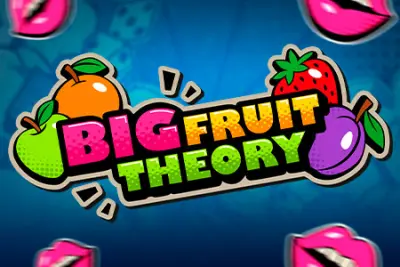
A 97.14% RTP on a high-volatility slot is an unusual combination — most studios trade one for the other. Big Fruit Theory, released by Popiplay on 12 December 2025, makes that trade-off work by pairing a generous return rate with a 10,000x max win ceiling and a dense feature stack built around an oversized 8×8 cluster pays grid. This is not a three-reel nostalgic throwback. The fruit theme is purely categorical — apples, plums, oranges, strawberries, crowns — but the mechanics underneath it are layered: cascading wins, mega 3×3 symbols, respins, multiplier stages, and a buy feature for players who want to skip straight to the action. Bets run from $0.20 to $50, keeping it accessible without sacrificing the high-roller ceiling. The question worth asking is whether that 97.14% RTP actually holds up in practice given the high variance, and whether the bonus structure justifies the wait between significant hits. This review works through both.
RTP, Volatility, and the 10,000x Ceiling
The 97.14% RTP is the first number that stands out on Big Fruit Theory's spec sheet — it sits meaningfully above the industry standard. For context, Popiplay's figure here beats the cluster-pays average by a noticeable margin; slots like Sweet Bonanza from Pragmatic Play carry a 96.48% RTP at a similar volatility tier, making Big Fruit Theory's 97.14% genuinely competitive rather than a marketing rounding. That said, high RTP on a high-volatility game means the theoretical return is real but the distribution is uneven — long dry stretches are baked into the model.
The 10,000x maximum win is respectable without being exceptional. It sits in the mid-range for modern cluster slots — above the 5,000x caps common on lower-variance titles but below the 20,000x–50,000x ceilings that studios like Hacksaw Gaming have normalised in recent years. For a $50 max bet, a full 10,000x hit would return $500,000, which is a meaningful number even if the probability is remote.
Hit frequency is not disclosed by Popiplay, which is a gap worth noting. Without that figure, players cannot easily model session bankroll requirements. Given the high volatility classification, a conservative approach — treating the base game as a slow burn toward the bonus — is the sensible frame.
How Big Fruit Theory Plays: The 8×8 Grid in Practice
Eight reels by eight rows gives Big Fruit Theory 64 symbol positions, which is substantially more real estate than the 6×6 or 7×7 grids that most cluster-pays titles use. The extra columns and rows matter because cluster sizes need to reach a minimum threshold to pay — larger grids mean more symbols on screen at once, which increases the chance of qualifying clusters forming and cascading into larger chains.
The cascade mechanic (also listed as Avalanche in the feature set) removes winning symbols and drops new ones in from above. Each cascade in a single spin is a fresh opportunity to extend a win sequence without an additional bet. The 3×3 Mega Symbol adds another dimension: when an oversized fruit lands, it occupies nine positions simultaneously, making it far easier to build or extend a paying cluster around it.
Special marked positions on the grid can trigger respins and Wild storms, which means the layout itself is not uniform — certain positions carry elevated weight. This creates a dynamic where the same spin can play out very differently depending on where symbols land, adding a layer of positional variance on top of the standard cluster randomness. The Wild symbol connects clusters that would otherwise fall short of the pay threshold, functioning as the glue that holds chains together.
Bonus Features: Fruit Mania and the Multiplier Ladder
The headline bonus mechanic is Fruit Mania, a collected-fruit system that unlocks multiplier stages as play progresses. There are five stages in total, with the multiplier reaching a maximum of 16x at the top level. The structure is progressive — earlier stages carry lower multipliers, and reaching the 16x cap requires sustained cluster activity to collect enough fruit across the sequence. This is where the high-volatility character of Big Fruit Theory becomes most apparent: the payoff is significant, but getting there demands the kind of run that does not arrive every session.
The Buy Feature gives players the option to enter the bonus state directly, bypassing the base game accumulation phase entirely. This is a meaningful option for players with a defined session budget who want to concentrate their exposure in the feature rather than grinding through base game spins. The cost of the buy will scale with bet size — at $50 max bet, a feature buy can represent a substantial upfront commitment, so this option is most practical in the mid-bet range.
Respins and Wild storms round out the feature set. The respins trigger from marked grid positions rather than scatter symbols, which keeps the mechanic tied to the grid layout rather than pure symbol luck. Wild storms, presumably a concentrated Wild placement event, work in tandem with the cascade system to extend winning sequences during active bonus rounds. Together, the features create a layered structure where multiple mechanics can activate simultaneously during a hot run.
Bet Range and Bankroll Considerations
Big Fruit Theory accepts bets from $0.20 to $50 per spin, which is a standard range for a video slot in this class. The $0.20 floor makes it accessible for low-stakes sessions, though high volatility at minimum bet means variance will feel amplified relative to bankroll size — a 10,000x win at $0.20 is $2,000, which is a very different proposition than the same multiplier at $50.
For players using the Buy Feature, bankroll planning is more critical. Feature buys on high-volatility cluster slots typically cost 50x–100x the spin bet, meaning a $5 spin bet could require a $250–$500 outlay for a single bonus entry. Popiplay has not published the exact buy cost multiplier, so players should check in-game before committing.
The $50 maximum bet positions Big Fruit Theory as accessible to mid-range players without catering to the ultra-high-roller segment. For context, some competing cluster titles cap out at $100 or higher. The practical implication is that the absolute maximum win of $500,000 (10,000x at $50) is lower in dollar terms than what the same multiplier would yield on a higher-bet-cap title.
Who Big Fruit Theory Is Best For
The combination of 97.14% RTP and high volatility makes Big Fruit Theory most suitable for players who understand variance and are willing to accept session-level losses in exchange for exposure to larger, less frequent wins. The RTP advantage over the market average is real, but it only materialises over a large enough sample — short sessions will not reliably reflect it.
Cluster-pays players who have spent time on titles like Jammin' Jars or Sweet Bonanza will find the 8×8 grid familiar in structure, though the Fruit Mania multiplier ladder and the marked-position respin system give Big Fruit Theory a distinct enough mechanic identity to justify the comparison rather than replace it.
The Buy Feature makes it a reasonable option for players who specifically want to evaluate the bonus quality without committing to extended base game sessions. For casual players with smaller bankrolls and a preference for frequent small wins, the high volatility and unknown hit frequency make this a harder recommendation — the base game between bonuses is likely to be lean.
Final Verdict
Big Fruit Theory earns its place on the strength of two things: a 97.14% RTP that genuinely stands out in the cluster-pays category, and a feature architecture that gives the 8×8 grid real mechanical purpose rather than treating the larger layout as a cosmetic upgrade. The Fruit Mania multiplier ladder, cascades, mega symbols, and respin system all interact in ways that reward understanding the game rather than just spinning through it.
The main caveat is the one that applies to any high-volatility title with undisclosed hit frequency: the base game between bonuses can be a slow grind, and the 10,000x max win, while solid, does not put Big Fruit Theory at the top of the ceiling rankings. Players chasing the absolute highest variance and biggest theoretical payouts will find competitors with larger caps.
For the player who values RTP accuracy, wants a cluster-pays format with genuine depth, and has the bankroll discipline to manage high-volatility sessions, Big Fruit Theory is a strong December 2025 release from Popiplay.
- +97.14% RTP is above the cluster-pays category average
- +8×8 grid gives cascades more room to chain than standard 6×6 layouts
- +Fruit Mania multiplier ladder reaches 16x across five stages
- +Buy Feature available for direct bonus access
- +3×3 Mega Symbol adds positional depth to the cluster mechanic
- +$0.20 minimum bet keeps it accessible
- -Hit frequency not disclosed — bankroll planning is harder without it
- -10,000x max win is competitive but not class-leading
- -High volatility means base game between bonuses can be sparse
- -Buy Feature cost multiplier not published — check in-game before using
Best for
Big Fruit Theory is a high-volatility cluster slot with one of the better RTPs in its class at 97.14%. The 8×8 grid gives cascades room to run, and the Fruit Mania multiplier sequence — up to 16x across five stages — is where the real money lives. The 10,000x ceiling is solid. Patience is required; the base game between bonuses can feel sparse. Best suited to variance-tolerant players with a buy feature budget.